How to Protect Your Wichita Lawn from Crabgrass and Weeds: Expert Tips for Kansas Yards
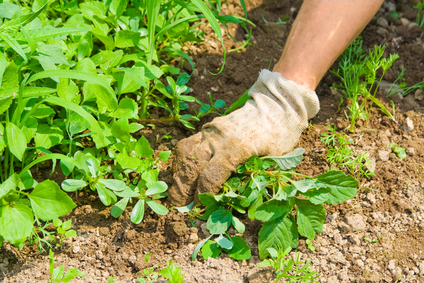
If crabgrass and broadleaf weeds keep showing up each season, you are not alone. Our hot, windy summers and clay-heavy soils make Wichita lawn care a year-round commitment. With a planned program, the right timing, and consistent service, your turf can stay thick enough to crowd out invaders before they get a foothold. Early in the season, many homeowners choose a professional pre-emergent plan and follow-up visits that may include targeted weed treatments and soil health work such as core aeration.
At Lammon Lawn Care, we build programs for neighborhoods from Riverside and College Hill to Eastborough, Andover, and Goddard. Instead of quick fixes, we focus on soil conditions, grass type, and microclimates so weeds have fewer chances to break through. That leads to a yard that looks good on the weekend and stands up to summer heat and foot traffic.
Why Crabgrass Thrives In Wichita
Crabgrass loves heat, open soil, and sunlight near the ground. In Sedgwick County, late spring warmth and scattered rains create ideal conditions. Thin turf from drought stress or heavy traffic opens the canopy, letting crabgrass seeds germinate and spread. Our clay soils can compact, which weakens roots and creates bare spots where weeds move in fast.
Broadleaf weeds like spurge, henbit, and dandelion ride the same openings. Once established, they compete for water and nutrients. The result is a patchy lawn that bakes in July and struggles to recover after storms or high winds.
The Season-By-Season Game Plan
Early Spring: Build a Protective Barrier
Before soil temperatures consistently warm, professionals apply a pre-emergent barrier calibrated for our weather and soil. This barrier prevents new crabgrass from sprouting while your turf wakes up and thickens. Application timing and product rate matter because too weak won’t work, and too strong can stress desirable grass.
Late Spring Through Summer: Target What Slips Through
Even with a barrier, scattered weeds can pop up along sidewalks, driveways, and sunny edges. A trained technician identifies the species and applies a control that targets the weed without hurting your specific turf type. Spot-treating at the right moment protects the lawn’s color and density through the heat of June, July, and August.
Early Fall: Restore Density With Soil Work
To stay ahead of weeds next spring, restore thick growth now. Aeration relieves compaction and boosts root development, while overseeding fills thin zones so light can’t reach the soil surface. Pairing these services in early fall is a proven way to improve how your lawn handles traffic, drought spells, and winter chill.
Grass Types And Weed Pressure In Kansas
Most Wichita lawns include tall fescue, Bermuda, or zoysia. Each handles weeds and heat differently, so the program should reflect your mix:
- Tall fescue stays green longer in spring and fall but benefits from fall thickening to resist summer weeds.
- Bermuda spreads by stolons and loves heat, which helps it outcompete many weeds once summer peaks.
- Zoysia forms a dense mat when healthy; if it thins, opportunistic weeds can colonize open patches quickly.
Matching treatments to the grass type matters. For example, a product that’s ideal for tall fescue might not be the best choice for a Bermuda-heavy lawn near Maize or Bel Aire. The correct plan keeps your lawn safer while delivering visible results.
Soil, Water, And Mowing: The Foundation For Fewer Weeds
In our area, soils often include fine clays that compact under foot traffic and rainfall. Compaction reduces oxygen in the root zone, which weakens turf and encourages weeds. Professionals monitor soil structure and canopy thickness, then schedule services to maintain resilience during dry, windy weeks. When that foundation holds, weed pressure drops and color holds longer between visits.
Watering and mowing practices also influence weed pressure. The right schedule and height for your grass type help the canopy block sunlight from reaching weed seeds. Rather than guesswork, your technician sets these guardrails within your service plan so your lawn gets what it needs across changing seasons and microclimates.
Neighborhood And Site Conditions Across Wichita
Every property has variables. Riverside lawns near mature trees face shade and root competition; homes in newer subdivisions west of the Big Ditch can deal with settling fill soils; College Hill and Delano often see parkway heat along streets and sidewalks. These details change how a program is built and how quickly results arrive.
Wind exposure across open lots near Goddard and Park City can increase evaporation, while dense neighborhoods in Eastborough may trap humidity after summer storms. A tailored plan adapts to these conditions so weeds don’t exploit weak spots at the edges, curb lines, and sunny corners.
What A Professional Weed Control Program Includes
A strong program is more than a one-time spray. It is a sequence of visits tuned to local weather and your grass type. Here is what that looks like when done right:
- Seasonal planning that sets the pre-emergent window and follow-up treatments.
- Site evaluation that considers slope, shade, irrigation patterns, and traffic.
- Product selection that targets the weed species present and respects your turf type.
- Soil-focused services that improve root depth and canopy thickness to block light at the soil line.
- Quality checks after heat spikes and heavy rains to prevent late-season breakouts.
When these elements work together, crabgrass and broadleaf weeds have fewer chances to establish, and your lawn keeps its color even during summer peaks.
How Lammon Lawn Care Protects Wichita Lawns
Our local team builds plans around Sedgwick County weather, so timing, product choice, and service spacing match what your yard faces. We combine proven pre-emergent timing with selective control and soil-building steps that keep turf thick where it counts. If you want a deeper dive into seasonal services, explore our lawn care services to see how we layer treatments for lasting results.
Many Wichita homeowners also connect our weed control plan to fall thickening. After relieving compaction, adding the right seed blend improves coverage and helps the turf shrug off weed pressure the following spring. If your lawn is thin in high-traffic areas or along hot curb lines, this approach closes gaps before seeds can sprout.
For readers searching for dependable Wichita lawn care, Lammon Lawn Care offers a clear path: consistent service, responsive adjustments after weather swings, and ongoing communication so your yard holds up all year.
Prevention Today Means Less Work Tomorrow
The easiest weeds to control are the ones that never sprout. That is why a properly timed barrier, backed by careful inspections, pays off later in the year. Our technicians track weather and soil shifts common to Wichita’s late spring and early summer, then fine-tune the schedule so the barrier stays effective and your turf stays thick.
When scattered weeds do appear, the goal is fast, accurate identification followed by a targeted application that respects your turf type. This approach protects color and density while keeping treatment efficient and focused where it matters most.
Strengthen The Lawn’s Natural Defenses
Crabgrass is opportunistic. It sneaks into open, sunlit gaps and spreads along edges and bare spots. By improving soil structure and thickening thin areas, you remove the openings it needs. Pairing seasonal weed control with services like core aeration increases root depth, helps water move into the soil, and supports a denser canopy.
Dense grass is your best long-term weed control. When blades shade the soil line, weed seeds struggle to germinate, and pressure drops year after year. Compaction relief and consistent thickness are the two levers that make the biggest difference across Wichita’s changing seasons.
Signs Your Lawn Needs A Fresh Plan
Not sure if your current program is working? Watch for these red flags around your yard in Haysville, Bel Aire, or right here in Wichita:
• New crabgrass patches along sidewalks or driveway edges mid-summer
• Thin, open turf that browns quickly during dry, windy weeks
• Green color that fades fast after rainfall or mowing
• Repeat weeds returning in the same spots each season
If any of these sound familiar, a tailored program can turn things around. Catching issues early prevents seed spread and reduces the number of visits needed to keep your lawn looking sharp.
Ready For A Lawn That Stays Green And Clean?
Your lawn can be the one on the block that always looks ready for the weekend. Schedule a visit with Lammon Lawn Care, and we will build a plan for your property and grass type. To get started, check out our approach to professional lawn mowing, then call 316-253-2556 to book your first visit.
Prefer to talk it through? A quick call is often all it takes to set your schedule and get your lawn on track before the next weather swing in Wichita, KS.
Keeping Your Outdoors Beautiful Year-Round! Contact Our Lawn Care and Landscaping In Wichita!