How Often Should You Mow Your Wichita Lawn in Each Season?
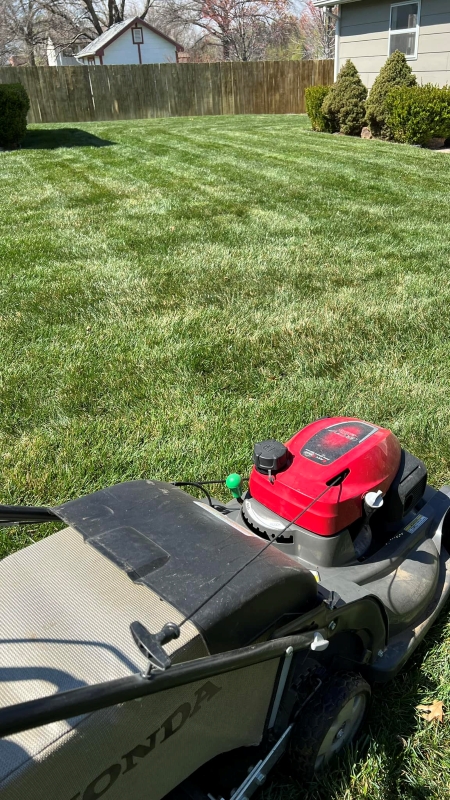
Wichita’s weather swings from chilly winds in March to triple-digit heat in July, so timing your cuts matters. If you have wondered how often to mow lawn in Kansas, this Wichita-focused guide lays out a simple seasonal rhythm you can rely on. For more local lawn care insights and planning tools, explore our ongoing tips at our lawn care tips blog.
Why Mowing Frequency Matters In Wichita
Grass grows fastest when days are warm and nights stay mild, which is common here from late spring into early fall. Cutting on the right schedule helps your lawn thicken, shade its own soil, and crowd out weeds common across neighborhoods like Riverside, Delano, and College Hill.
Wichita sits in the transition zone where both warm-season and cool-season grasses are found. Bermuda and zoysia love heat and surge in summer, while tall fescue prefers spring and fall. Matching your mowing rhythm to these growth patterns keeps color strong and turf even from Eastborough to Goddard.
Seasonal Mowing Schedule For Wichita, KS
Early Spring: March to April
As soil warms and grass wakes up, plan to mow every 10 to 14 days. This keeps early growth even without stressing turf during cool snaps. If you seeded tall fescue last fall, a lighter schedule helps roots deepen before faster growth arrives in May.
Late Spring to Early Summer: May to June
Growth kicks into gear as nights warm. Most Wichita lawns look best with a weekly cut during this window. You will notice color deepen and the lawn knit together between College Hill and west-side subdivisions as consistent mowing pushes lateral growth.
Peak Summer: July to August
Heat and humidity drive fast top growth in Bermuda and zoysia. Mow every 5 to 7 days for warm-season turf. Tall fescue slows in the heat, so 7 to 10 days is typical unless storms spark a growth burst.
Avoid mowing when the lawn is severely drought-stressed. Let rainfall or irrigation restore color and spring before the next cut, which reduces scalping and tip burn during a hot spell.
Fall Reset: September to November
Cooler nights favor tall fescue and slow down warm-season grasses. Most lawns are happy at every 10 to 14 days in September, then every 14 days into late October and early November. Your final mow of the year should leave the lawn tidy going into the first hard frost.
Dormant Winter: December to February
Many Wichita lawns rest. Mow only as needed to keep things neat, often every 4 to 6 weeks, and sometimes not at all during deep cold. Wind-protected spots and south-facing yards may grow a touch faster than open, north-facing lots.
Best Mowing Height In Wichita Explained
Height is a big part of a healthy finish. Setting the right target helps your schedule work with the weather, not against it. The ideal range depends on your grass type and how much sun your yard receives.
- Bermuda: about 1.5 to 2 inches for most residential lawns with full sun.
- Zoysia: about 2 to 2.5 inches, especially along sunny streets in Goddard and Maize.
- Tall fescue: about 3 to 3.5 inches to protect roots in warm months and during dry wind.
Do not remove more than one-third of the leaf blade at a time. That single habit keeps color bright and reduces stress streaks on sloped front yards and shaded side lots.
Residential Lawn Mowing Schedule By Neighborhood Conditions
Two yards on the same street can grow at different speeds. Sun exposure, irrigation coverage, and soil compaction all influence timing. Here is how those factors often play out around Wichita:
- Full-sun corner lots: Faster growth in May through August, often weekly on Bermuda and zoysia.
- Shaded streets near mature trees: Slower growth, especially for tall fescue in mid-summer.
- Newer subdivisions with amended soil: Steadier growth, usually easy to keep on a weekly or biweekly rhythm.
- Wind-exposed yards on open edges: Taller recommended height to protect the crown during hot, dry spells.
If your yard sits between sun and shade, expect the sunnier half to set the pace. Raise mowing height slightly during heat waves so the lawn shades its own roots and holds moisture longer between rains.
How Often To Mow Lawn In Kansas: Wichita’s Month-By-Month Rhythm
Think in bands, not exact dates, because spring and fall can start early or late. A simple Wichita pattern many homes follow looks like this:
March: every 10 to 14 days as soil warms. April: keep the same rhythm unless a warm week speeds growth. May and June: weekly is common across Riverside and College Hill. July and August: 5 to 7 days for Bermuda and zoysia, 7 to 10 for fescue. September: slide back to every 10 to 14 days. October and November: every 14 days, then a clean final pass before freeze. Winter: as needed to keep the lawn tidy.
Consistency is what separates crisp, stripe-ready lawns from uneven ones. When your schedule is tight, let a pro keep that cadence. Our team handles route timing, weather swings, and seasonal transitions so your turf never skips a beat.
Why Professional Scheduling Works Better
Local crews understand Wichita’s quick shifts between calm weeks and storm bursts. They adjust timing in real time and match height to your grass and sun pattern. If you prefer a hands-off plan that still looks dialed in, ask about recurring lawn mowing on a weekly or biweekly schedule.
Pairing mowing with edging and cleanup keeps curbs and sidewalks crisp without extra stops. If you already use our broader lawn care services, we sync everything so trimming, mowing, and leaf management work together during fall winds.
Common Wichita Scenarios And The Right Response
Storm week and sudden surge: add an extra touch-up to avoid clumping when the next hot stretch arrives. New sod in spring: keep a gentler pace while roots knit, then step into your regular summer rhythm. Shady, mature-tree streets: expect a slower mid-summer pace but a faster fall burst once nights cool.
Bagging every single visit is rarely necessary in Wichita. When the schedule is right and growth is steady, fine clippings recycle nutrients and keep color even without smothering the surface.
Set Your Wichita Mowing Cadence Today
The easiest way to keep your yard photo-ready from Delano to Eastborough is to lock in a schedule before peak growth. Choose weekly or biweekly service based on your grass mix and sun exposure, then let a local crew adjust the details as weather swings.
If you want help tuning the plan, our seasonal guide at /lawn-care-tips explains how frequency and height work together across Wichita’s seasons. For a deeper dive into service options, our residential lawn mowing and full lawn care services pages show what is included during each visit.
Ready For Consistent Results All Year?
Set up a Wichita-ready mowing plan with Lammon Lawn Care and relax knowing your yard will look good in every season. Call us at 316-253-2556 to get on the schedule, or start with our simple seasonal overview right on the homepage. When neighbors ask how often to mow lawn in Kansas, you will already have a plan tailored to Wichita.
Healthy lawns are built on steady rhythm, correct height, and well-timed service. If you want a pro to manage that rhythm for you, our team is ready to help across Wichita and nearby communities.
Keeping Your Outdoors Beautiful Year-Round! Contact Our Lawn Care and Landscaping In Wichita!