Aeration vs. Overseeding: What Wichita Lawns Actually Need (and When)
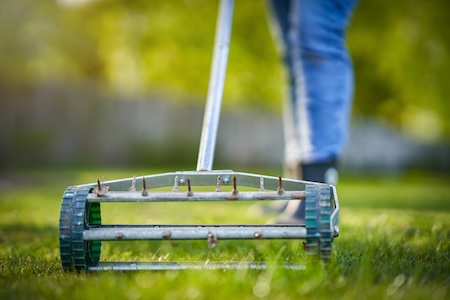
Wichita lawns battle heat, clay-heavy soils, and foot traffic. That mix can leave turf thin on top and tight underneath. Homeowners ask a fair question: should you choose aeration or overseeding, and when? Below, we break down what each service does for Kansas yards, how they work together, and the best timing so you get visible results. If your lawn is compacted or thinning, our core aeration service is a proven first step that helps roots breathe and new seed take hold.
What Aeration Actually Does For Wichita Lawns
Aeration pulls small cores from the soil so air, water, and nutrients can move freely to the root zone. In south-central Kansas, many neighborhoods sit on finer-textured soils that compact fast under summer dryness, rain cycles, and regular mowing. Compaction chokes roots, and roots that cannot breathe will not thicken the turf above.
- Grass feels spongy or water puddles after a storm
- Thin turf in high-traffic routes along sidewalks and play areas
- Shallow roots that struggle in late-summer heat
- Hard soil that resists a screwdriver or soil probe
When done at the right time, aeration improves root depth, increases drought tolerance, and makes fertilizer more efficient. It also sets the stage for seed-to-soil contact if overseeding is part of the plan.
What Overseeding Does And When It Works
Overseeding thickens existing turf by adding new, improved seed varieties into your current lawn. In Wichita, cool-season grasses can thin from heat, traffic, and disease pressure. Overseeding helps restore density, color, and resilience. It is most effective when soil temperatures cool enough for germination and when new seedlings are not battling extreme heat.
Overseeding alone can help a moderately healthy lawn fill in. Pairing overseeding with aeration helps seed get down into openings, which protects it and boosts germination across the yard.
Do You Aerate Before Overseeding?
Short answer, yes in most Wichita situations. Aeration opens the soil so seed can settle into the holes and contact mineral soil. That simple change, more seed actually touching soil, leads to better stands of grass. If your lawn is thin, combine aeration and overseeding in the same seasonal window for a one-two punch. If thickness is decent but the ground is tight, aeration alone may be what you need this season.
When you want a professional finish without guesswork, Lammon Lawn Care offers targeted aeration and overseeding services designed for local lawns. Learn how our aeration program supports deeper roots and stronger turf from spring through fall.
Overseeding Schedule For Kansas Lawns
Timing matters more than almost anything else. In south-central Kansas, the most reliable overseeding window typically arrives as late summer fades and fall takes hold. Temperatures dip, but the soil stays warm enough to push root growth before winter. Spring can work for a quick cosmetic fix, but it often competes with rising heat and weed pressure.
- Late summer to early fall is the primary overseeding season for Wichita. Soil is warm, air is cooler, and moisture is steadier.
- Early spring is a secondary option for filling small bare spots, yet it carries more risk when early heat arrives.
- Pre-emergent weed control can block grass seed. If overseeding is on your calendar, plan herbicides around seeding dates.
Good timing protects your seed investment and reduces do-overs. A quick chat with a local pro about your block, shade patterns, and irrigation habits can save weeks of frustration.
What Seed Works Best After Aeration In Wichita
Most Wichita cool-season lawns perform best with turf-type tall fescue. It handles heat better than many cool-season species and develops strong roots in our region. For added self-repair in sunny areas, some homeowners like a small amount of Kentucky bluegrass blended in. The exact blend depends on sun, traffic, and how you use the yard.
In shaded or mixed-sun yards, a high-quality tall fescue blend tailored for the Great Plains is a reliable pick. In full, hot sun with heavy summer use, consider discussing warm-season options like bermudagrass with a professional. Different grasses fit different lifestyles, and the seed that fits your neighbor might not fit your weekend soccer games or pets.
Choose premium, region-appropriate seed and skip bargain-bin mixes that hide coarse clumps and weeds. Better genetics deliver color, density, and disease tolerance that show up all season long.
Aeration vs. Overseeding: Which One Does Your Yard Need Now?
Every lawn tells a story. If your grass looks fairly full but the soil feels hard and water runs off, aeration is likely the lead actor this season. If you see thin patches, a tired look after summer, or a yard that never seems to fill in, combining aeration with overseeding is usually the better play. Warm-season lawns in wide-open sun may rely on aeration for soil health and skip fall overseeding altogether.
Here is an easy way to frame it without getting into the weeds:
- If compaction is the main issue, start with aeration to support root growth and nutrient use.
- If density is the main issue, add overseeding so new seedlings fill gaps and shade the soil.
- If both compaction and thinning show up, pair the two services in the same seasonal window.
Healthy soil plus fresh genetics is the fastest path to a lawn that stays thick under Kansas sun. That pairing is why so many Wichita homeowners make aeration and overseeding a yearly or biannual habit.
How Lammon Lawn Care Tunes The Plan For Wichita Yards
Lammon Lawn Care focuses on targeted services that move the needle, especially aeration and overseeding. We look at traffic patterns, sun and shade, and how your lawn handled the last heat wave. Then we match services to your goals, not the other way around. Our crews use professional equipment to deliver consistent core depth and even coverage. That consistency helps seed contact real soil and roots expand where they need to.
Want to explore other professional lawn care solutions that support root health and color through the year? Visit our lawn care services page to see how ongoing care fits with aeration and seeding in a complete program.
Answering Wichita’s Most-Asked Questions
Do you aerate before overseeding? In most Wichita lawns, yes. Aeration opens the canopy and the soil so seed can find a home. You get better stands, a thicker look, and more even color across the yard.
What is the overseeding schedule in Kansas? The primary window arrives as late summer cools into fall, when warm soil helps new roots and cooler air reduces stress. Spring can be a secondary option for light touch-ups, but results vary with early heat. If weed control is on the calendar, align products and timing with your seeding plan so they do not work against each other.
What seed works best after aeration? Turf-type tall fescue blends suit many Wichita lawns due to heat tolerance and deep rooting. In full sun, a small amount of Kentucky bluegrass can add self-repair. Shaded spots usually prefer a shade-tolerant tall fescue mix. Talk with a pro who knows south-central Kansas blocks and microclimates so you get a blend that fits your yard’s light and use.
For homeowners who prefer a single point of contact, Lammon Lawn Care can coordinate the sequence so the lawn gets what it needs at the correct moment. You get professional scheduling, consistent application, and clear communication from start to finish.
When To Choose Aeration Alone
If your lawn holds color and density but seems to dry out fast, or water beads on the surface, aeration alone often delivers a visible difference. The goal is to relieve soil tension so roots can chase moisture deeper and spread laterally. Many Wichita homeowners notice better watering efficiency after an aeration visit, because water reaches the root zone instead of running off sidewalks and driveways.
When overseeding is not part of your plan, remember that core holes still provide benefit by creating micro-reservoirs. These pockets can capture rainfall during quick Kansas storms, which reduces waste and helps even healthy turf handle late-summer stress.
When To Combine Aeration And Overseeding
If your lawn looks tired after summer and you can see soil between grass plants, the combination is a proven approach. Aeration improves the soil structure and seed contact. Overseeding packs in better varieties that handle stress and fill the canopy. In neighborhoods from Riverside to College Hill and across east and west Wichita, this pairing is a go-to for thick, uniform lawns.
You do not need to reinvent your yard overnight. Pair the two services in the right season, then let improved roots and new genetics do steady work in the background. Many homeowners notice stronger spring green-up and fewer thin areas the following year.
Ready For Thicker Grass In Wichita?
If you want a clear plan and real results, start with a quick visit from our team. Read more about how our aeration service boosts root depth and sets up successful seeding, then schedule a visit that fits your calendar. For broader help year-round, you can also explore more options through aeration in Wichita with Lammon Lawn Care as your local partner.
Prefer to talk it through? Call 316-253-2556 to connect with a local specialist who knows Wichita neighborhoods and weather swings. You will get a simple recommendation and a timeline that makes sense for your yard.
Not sure where to start? Browse our full service menu at our services and match your goals with the right visit at the right time. We focus on practical steps that help Kansas lawns look better and stay that way.
Keeping Your Outdoors Beautiful Year-Round! Contact Our Lawn Care and Landscaping In Wichita!